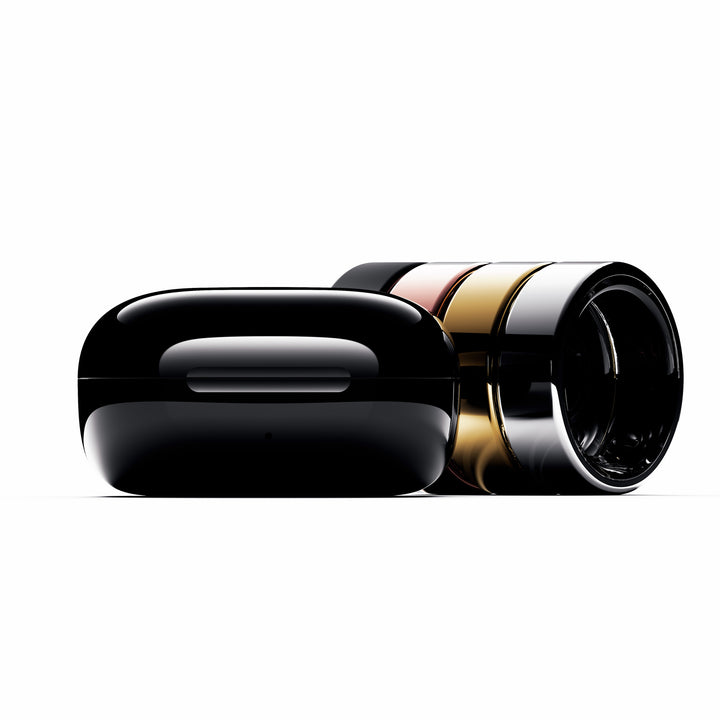
Smart rings are quietly transforming from niche gadgets into daily wellness companions for many women who want deeper health insights without wearing bulky devices. By combining discreet design with powerful sensors, these rings make it easier to track sleep, stress, and activity as part of a normal day instead of a demanding fitness routine. For women balancing work, family, and personal goals, this subtle form factor often fits more naturally than a watch or phone-based tracker.
Unlike early wearables that focused narrowly on steps or calories, new smart rings emphasize holistic wellness—sleep quality, recovery, stress awareness, and long-term patterns. This shift from “fitness tracking” to “daily well-being” is one reason smart rings are increasingly seen as essentials, not just gadgets.
How Smart Rings Support Women’s Daily Health
Smart rings sit at the intersection of comfort, aesthetics, and continuous monitoring, which is particularly important for women who prefer devices that do not disrupt their personal style. A ring can blend seamlessly with existing jewelry, making it more likely to be worn consistently—and consistency is what makes health data genuinely useful.
A typical smart ring collects data such as heart rate, heart-rate variability, skin temperature, sleep stages, and daily movement, then translates those metrics into simple insights through a companion app. For women who prefer minimal screen time, this combination of subtle hardware and app-based feedback offers a low-friction way to stay informed without constant notifications.
Sleep, Recovery, and Stress Awareness
Modern smart rings are especially strong in sleep and recovery tracking, using sensors to estimate time in deep, light, and REM sleep as well as nighttime heart-rate variability. Instead of just telling you how long you slept, these devices highlight whether your body is actually recovering—information that matters if you are pushing through busy days on limited rest.
Some rings also surface trends that correlate with stress, such as elevated resting heart rate or reduced variability over several days. For women juggling multiple responsibilities, this can act as an early warning system that encourages rest days, lighter workouts, or mindfulness practices before stress becomes overwhelming. By focusing on clear, actionable signals rather than raw technical metrics, smart rings help translate complex physiology into practical decisions.
Activity Tracking Without the Bulk
For many women, traditional fitness wearables can feel too visible, too sporty, or simply uncomfortable over long periods. Smart rings address this by offering similar capabilities—step counting, heart-rate tracking during exercise, and movement reminders—without adding noticeable weight or bulk to the wrist.
Some smart rings support a broad set of activities, from walking and running to more structured gym sessions, and give basic metrics such as heart rate zones and estimated calorie burn. That makes it easier for women to maintain an active lifestyle whether they are following a structured training plan or simply trying to move more during busy days. Because the ring is always on, it can build a more complete picture of baseline activity than a device that is worn only during workouts.
Design and Comfort Considerations for Women
Design details matter when a device is meant to be worn all day and night. Many smart rings targeted at women emphasize lightweight metal construction, smooth internal edges, and slim silhouettes that sit comfortably on the finger without catching on clothing. Some models offer multiple finishes or color options, allowing women to align the ring with their personal style instead of treating it as purely functional hardware.
Because smart rings must fit well to capture accurate data, brands often provide sizing kits or detailed guidance so users can test comfort before committing to a specific size. A good fit is snug enough to keep sensors in contact with the skin but still loose enough to wear overnight. Women who are sensitive to heavy jewelry often find that a lightweight ring is easier to forget about than a smartwatch or fitness band.
Why Many Women Prefer Rings Over Watches
For some women, the primary appeal of smart rings lies in what they remove rather than what they add: fewer notifications, fewer screens, and less visual clutter on the wrist. A ring can deliver much of the same health data as a smartwatch while staying “invisible” in social and professional settings. This is particularly attractive for those who want to stay engaged in meetings, conversations, or spiritual practices without constant digital interruptions.
Because rings typically focus on sensing rather than apps, they encourage users to check their phones less frequently. Women who already spend substantial time on devices for work may welcome a tracker that operates quietly in the background and only requires attention when they are ready to review their health trends.
Using Educational Resources to Choose a Smart Ring
With more options entering the market, it can be challenging to decide which smart ring best fits a woman’s needs, especially when balancing aesthetics, comfort, and health features. Educational resources that compare multiple models and explain their strengths in plain language are particularly useful. These resources can clarify which devices prioritize sleep, which highlight activity, and which offer more well-rounded wellness insights.
For example, a detailed guide that curates the best options for women and explains what makes each one stand out can save significant research time. If you are exploring different models and want to see how design, features, and everyday usability stack up, it is helpful to consult a resource like this article on a smart ring for women by cudis, which discusses how various rings align with different wellness priorities.
Practical Tips for Women Considering a Smart Ring
Because smart rings are worn almost constantly, choosing one is less about chasing every possible feature and more about aligning the device with personal routines and values. Women who are new to wearable tech may want to focus on a straightforward experience that emphasizes clarity over complexity—clear summaries of sleep, recovery, and daily movement are often more valuable than dozens of charts.
Below is a simple example of how features can align with typical priorities for women exploring smart rings:
When evaluating specific models, it is wise to consider how easy the app is to use, how clearly it explains metrics, and whether it supports both iOS and Android devices. Battery life also matters: many smart rings offer around a week of usage on a single charge, which reduces friction and makes overnight wear more realistic.
Integrating a Smart Ring Into Everyday Life
Once a woman chooses a smart ring, the real value comes from integrating it thoughtfully into daily routines rather than treating it as a one-time novelty. This might look like wearing it consistently for several weeks to establish baselines, then using those baselines to interpret changes in sleep quality, stress, or activity levels.
Over time, the ring’s data can highlight patterns that would be easy to miss: how late nights impact energy two days later, how certain habits affect resting heart rate, or how regular movement influences mood. By pairing these observations with small, sustainable changes—earlier bedtimes, short walks during breaks, mindful pauses during busy afternoons—women can use the ring as a gentle guide rather than a strict coach.
Example Video: Understanding Smart Rings for Everyday Use
To better understand how smart rings fit into modern life, it can be helpful to watch third-party reviews that break down what these devices actually do in practice. The following YouTube video offers a broad look at smart ring capabilities, including how they compare to more traditional wearables:
https://www.youtube.com/watch?v=2tQSmJFbfjQ
This kind of overview helps set realistic expectations, highlighting the strengths of smart rings—discreet form factor, solid health insights—alongside practical limitations. Watching reviews like this can complement written guides and give women a clearer sense of how a ring might feel as part of their day-to-day lives.
A Discreet Companion for Long-Term Wellness
As smart rings continue to evolve, their appeal for women lies less in flashy technology and more in quiet reliability. A well-designed ring can provide steady insight into sleep, stress, and activity without drawing attention or demanding constant interaction, which makes it a strong fit for women who want technology to support their lives rather than dominate them.
For those looking to begin or deepen a wellness journey with a device that respects both aesthetics and practicality, exploring smart rings tailored to women can be a thoughtful next step. You can learn more about how one brand approaches this space by visiting Cudis, which focuses on lightweight smart rings designed for sleep, recovery, and everyday wellness insights.